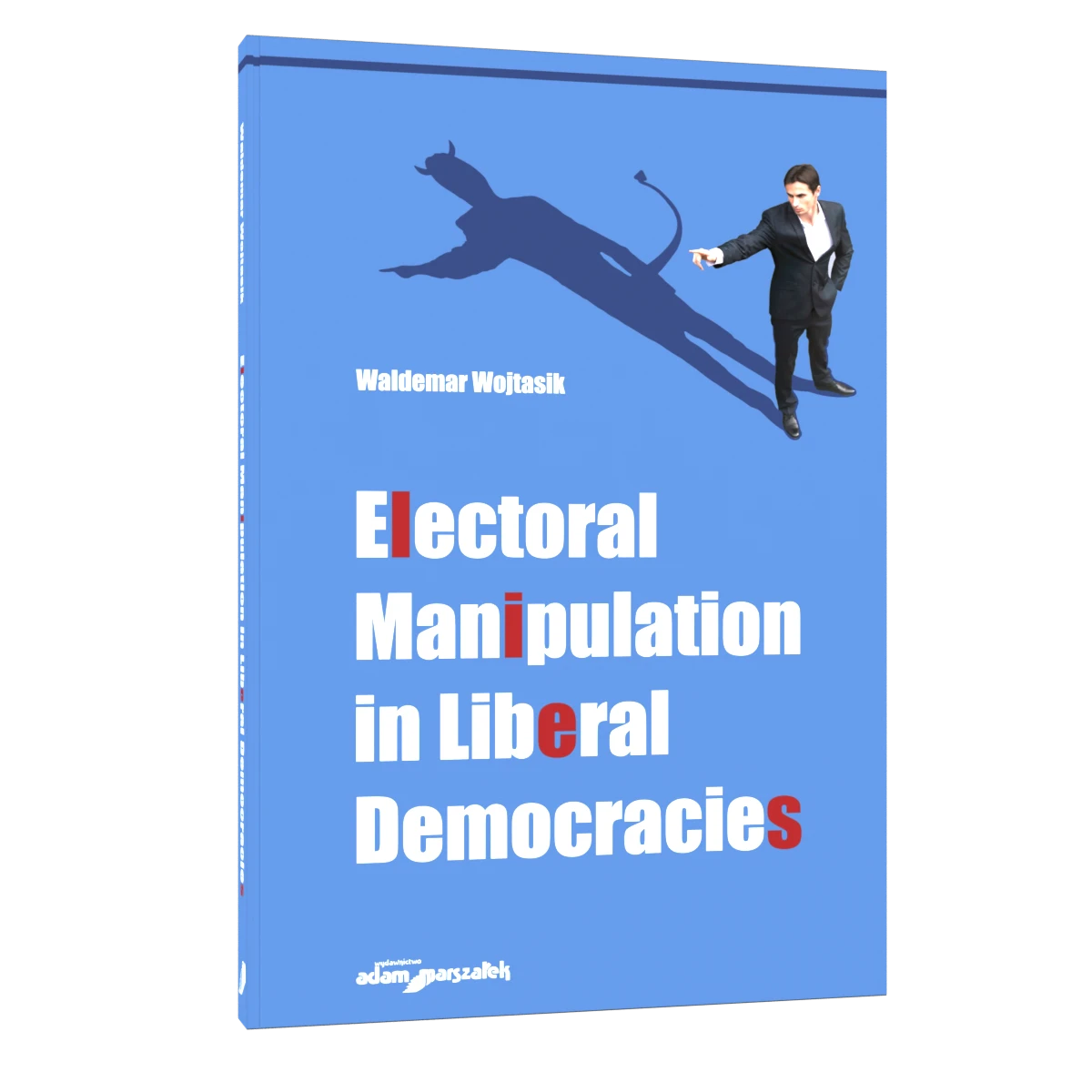
ELECTORAL MANIPULATION
Future generations will consider the beginning of the 21st century as a historic moment when the effectiveness of elections as a democratic procedure began to be exhausted. The primary reason for this phenomenon is the refinement of existing and the emergence of entirely new tools used to manipulate both the results at the polls and the election outcome. Online communication, big data, psychographics and behavioural microtargeting are new weapons politicians have come to wield. In fact, they do not hesitate to use them in the game they play with voters, crushing the very democratic foundations of election integrity in the process.
Contemporary democracy fails to find any socially effective response to disinformation, alternative facts, or partisan agencification of the media. As citizens, we most often learn about this too late, once a repentant whistleblower has decided to inform the general public. However, since the political system is increasingly less capable of institutionally guaranteeing the integrity of the electoral process, it should not be surprising that questions arise about the objectification and instrumentalisation of the voter’s role in democracy.
The history of elections so far has been a tale of electoral manipulation. Current history shows the degree to which democracy is failing to deal with them. The publication outlines numerous ways of legally manipulating the outcome of democratic elections and contains examples of politicians using them, most often successfully. All this illustrates the sheer scale of manipulative pressure exerted on voters and shows the extent to which the integrity of modern elections is deformed.
What will you learn from the book Electoral Manipulation?
Learn about more than 200 ways of legally manipulating elections and voters.
Find out about the systemic and communication-related circumstances favouring electoral manipulation.
Understand the impact of the Internet on voters’ decisions.
See how to recognise situations when politicians want to manipulate.
Learn about tools making it possible to counteract electoral manipulation.
Understand the mechanisms of disinformation: fake news, troll farms, alternative facts, or the use of bots.
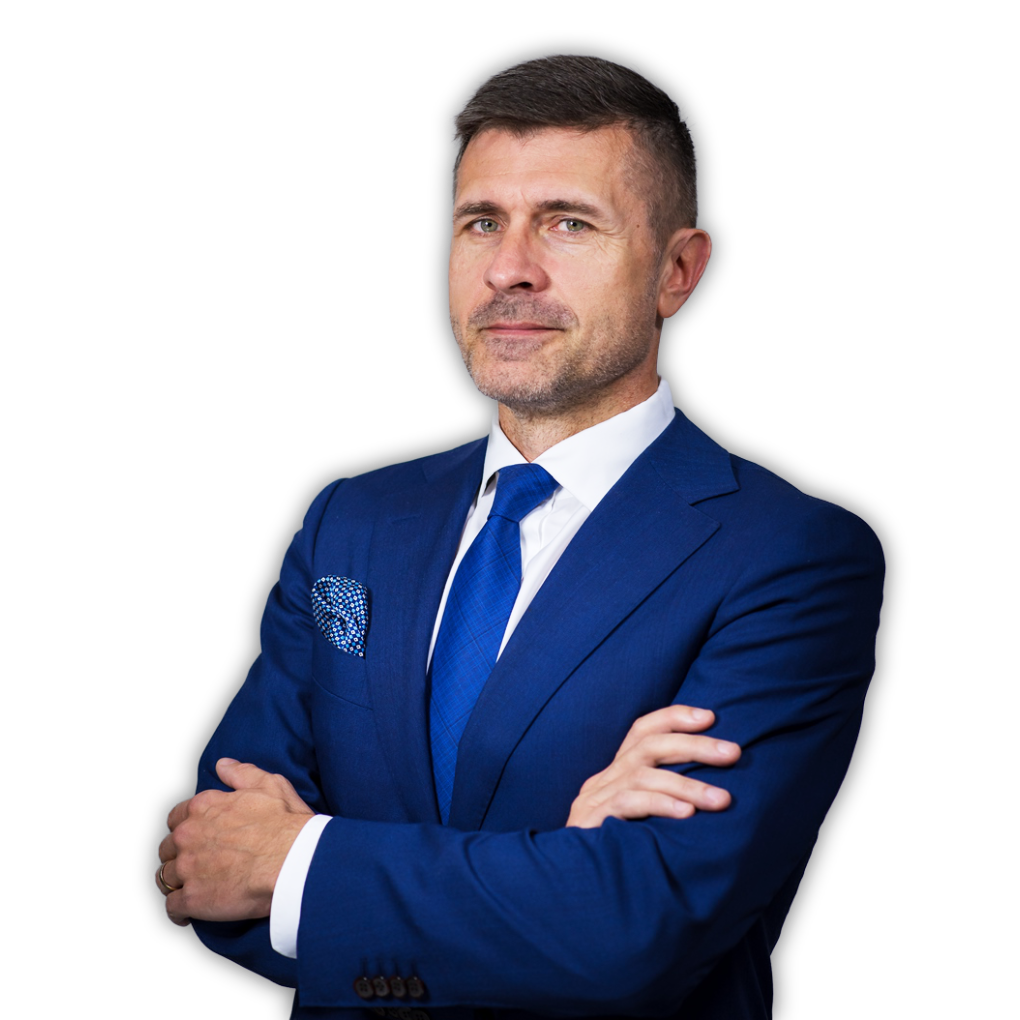
Waldemar Wojtasik
Professor of Political Science. Author of more than 200 scientific works, including 8 monographs on elections, voting behaviours, political parties, and party systems.
Member of the Political Science Committee of the Polish Academy of Sciences and of the Scientific Council of the Research Centre for Public Policy and Regulatory Governance, Expert of the Commission for the Evaluation of Science at the Ministry of Science and Higher Education and member of the Observatory of Urban and Metropolitan Processes.
Political consultant with over 20 years of experience, providing advice in the field of individual and party electoral strategies as well as political image creation.
The author’s latest comments are posted on the X platform.
We encourage you to follow the profile @manipulacjewyb, where you will find more interesting content.
Download book
Project co-financed by the state budget, granted by the Minister of Education and Science of the Republic of Poland
under the Programme “Excellent Science”